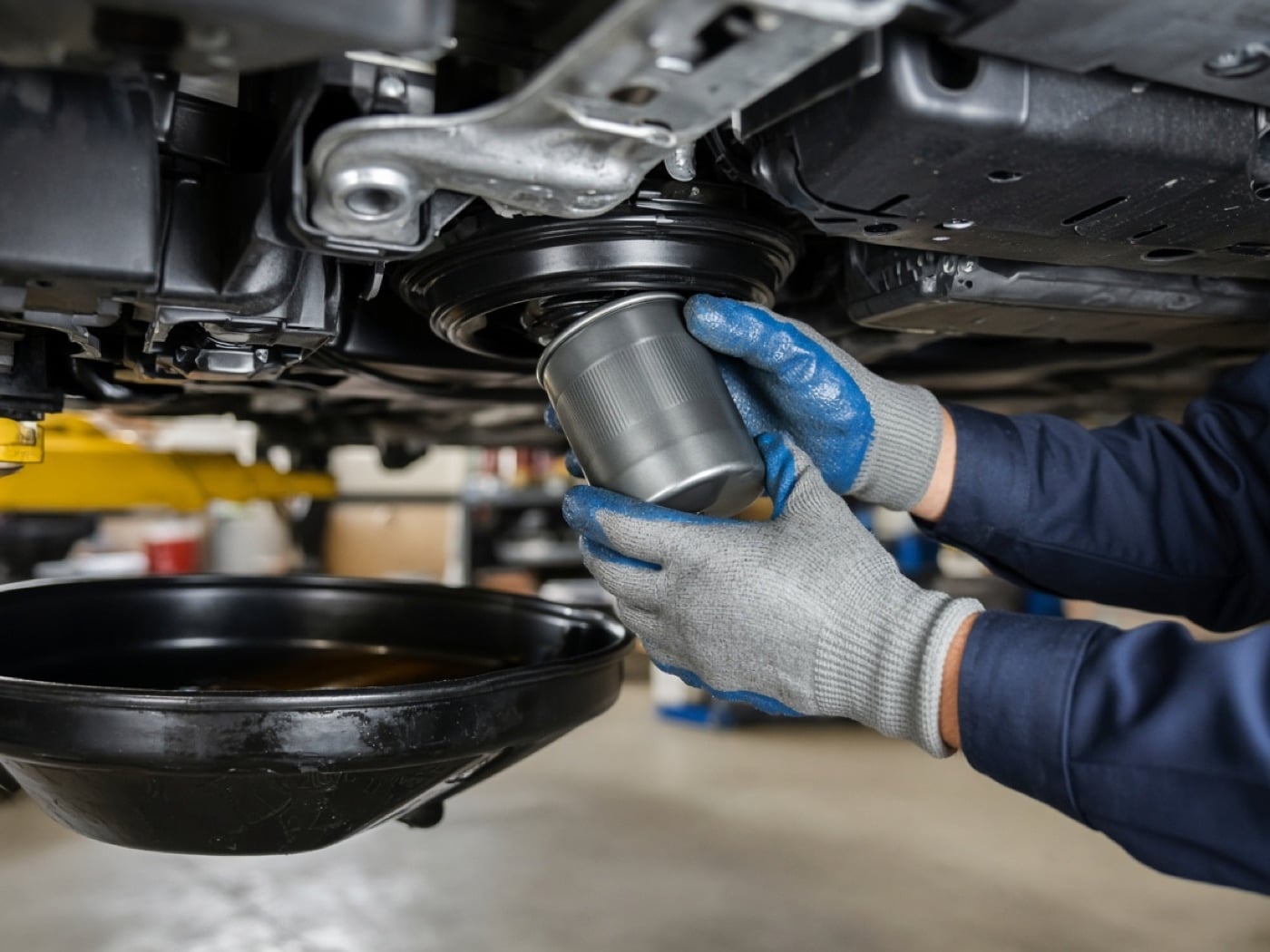
Understanding synthetic oil mileage change helps Fate drivers plan reliable service around North Texas driving conditions. Synthetic oil resists breakdown better than conventional oil, which means many vehicles can safely run longer between changes when the right oil is used and driving habits are considered. At Valvoline Express Care Fate we review each vehicle’s manual, recent service history, and local conditions before recommending an interval.
Synthetic oil is refined and chemically engineered to deliver consistent protection across wide temperature swings. In Fate summers that push past 100 degrees and winter mornings that dip below freezing, the oil maintains viscosity without thinning too much or becoming too thick. This stability supports the longer synthetic oil mileage change intervals many modern engines are designed for, often 7,500 to 10,000 miles or more when the vehicle is driven mostly on highways with good airflow.

How local driving conditions affect synthetic oil mileage change
Fate residents often combine highway miles on I-30 with stop-and-go traffic on local roads near Rockwall and Royse City. Short trips under five miles do not allow the engine to reach full operating temperature, so moisture stays in the oil and contaminants build faster. In these cases the synthetic oil mileage change interval may need to stay closer to 5,000 to 7,500 miles even though the oil itself can handle more. Highway commuters who drive 20-plus miles at steady speeds usually reach the upper end of the manufacturer’s recommendation.
Dust from construction sites and pollen in spring also load the oil with particles. A Full Synthetic Oil Change includes a new filter that removes those particles, but the oil still accumulates them over time. Checking the oil level and color every 1,000 miles gives an early warning if the interval should be shortened.
Comparing synthetic and conventional oil longevity
Conventional oil is refined from crude and breaks down faster under heat and oxidation. Most conventional oil change intervals top out at 3,000 to 5,000 miles. Synthetic oil lasts longer because its molecules are uniform and resist thermal breakdown. This difference is why many vehicles now list synthetic oil mileage change intervals that are double or triple the old conventional numbers. The trade-off is higher upfront cost, but fewer changes over the life of the vehicle often offset the difference.
Drivers who want the longest practical interval should choose the correct viscosity grade listed in the owner’s manual. Using the wrong grade can reduce the protection that allows extended synthetic oil mileage change schedules. Our technicians confirm the correct specification during every service.
Signs it is time for a synthetic oil mileage change
- Dashboard oil-life monitor drops below 15 percent
- Oil on the dipstick looks dark and gritty before the expected mileage
- Engine noise increases or the vehicle feels less responsive on hot afternoons
- More than six months have passed since the last change even if mileage is low
These signs matter more than a strict calendar because Fate traffic patterns and summer heat accelerate wear. Ignoring them can lead to sludge buildup and reduced fuel economy.
Combining synthetic oil changes with other services
Many customers schedule a synthetic oil mileage change together with a multi-point inspection. This lets the technician check belts, hoses, battery, and fluid levels at the same visit. Pairing services reduces the number of trips and catches small issues before they become expensive repairs. Links to related services such as Oil Change and Oil Change in Fate, TX show the full menu available locally.
Practical tips to maximize synthetic oil mileage change intervals
Keep the oil cap and dipstick clean so no extra dirt enters the engine. Use the correct filter rated for synthetic oil; cheaper filters can restrict flow and shorten the effective life of the oil. Maintain proper tire pressure and avoid aggressive driving in heavy traffic to reduce engine load. Park in shade when possible to limit heat soak after shutdown. These habits help the oil stay cleaner longer and support the upper end of the recommended synthetic oil mileage change range.
Common mistakes that shorten synthetic oil mileage change intervals
One frequent error is ignoring the oil life monitor and relying only on mileage stickers from previous visits. Modern vehicles track operating conditions more accurately than a fixed schedule, so resetting or overlooking the monitor can lead to driving past the safe window for a synthetic oil mileage change. Another mistake involves using aftermarket additives that claim to extend intervals further. These products can alter the oil’s chemical balance and reduce the protection designed into the synthetic formula.
Skipping the filter replacement during an oil service also cuts short the benefits of synthetic oil. A clogged filter forces the oil to bypass filtration, allowing particles to circulate and accelerate wear. Drivers sometimes delay service because the vehicle seems to run fine, yet internal deposits build gradually in stop-and-go Fate traffic. Checking the dipstick regularly and noting any change in texture or smell provides an early signal that the synthetic oil mileage change should happen sooner than planned.
Step-by-step process for monitoring oil between synthetic oil mileage changes
Park on a level surface and wait at least five minutes after shutdown so oil drains back into the pan. Pull the dipstick, wipe it clean with a lint-free cloth, reinsert fully, and remove again to read the level. The oil should sit between the marks and appear amber or light brown rather than black and gritty. Note any metallic flecks or a burnt smell, both of which indicate the need for an earlier synthetic oil mileage change.
Record the date, mileage, and condition in a simple log kept in the glove box. Compare readings every 1,000 miles to spot trends before the dashboard warning appears. If the level drops without visible leaks, schedule an inspection promptly. This routine takes only a few minutes yet helps Fate drivers stay ahead of issues that could affect engine longevity during extended synthetic oil mileage change intervals.
FAQ
How many miles can synthetic oil typically last in Fate traffic?
Most vehicles can reach 7,500 to 10,000 miles when driven primarily on highways. Stop-and-go driving, short trips, and heavy summer loads often reduce that to 5,000 to 7,500 miles. Always follow the vehicle manufacturer’s guidance and have the oil condition checked during service.
Does synthetic oil last longer than conventional in North Texas heat?
Yes. Synthetic oil maintains protective properties at higher temperatures and resists oxidation better than conventional oil, which is why extended synthetic oil mileage change intervals are possible. The difference is most noticeable during repeated 100-degree days.
Should I change synthetic oil every 6 months even if mileage is low?
Time matters as well as miles. Moisture and acids accumulate even when the vehicle sits. If six months have passed since the last synthetic oil mileage change, schedule service regardless of the odometer reading.
Can I mix synthetic and conventional oil?
Mixing is not recommended because it dilutes the benefits that allow longer synthetic oil mileage change intervals. If you are low on oil, add the same type already in the engine until you can reach the shop for a proper change.
Will a longer synthetic oil mileage change void my warranty?
Using the correct oil and filter at the intervals listed in the owner’s manual keeps the warranty intact. Keep records of each synthetic oil mileage change performed at a qualified shop.
Ready to schedule your next synthetic oil mileage change? Call 469-972-6963 or visit Valvoline Express Care Fate to discuss the best interval for your vehicle and driving habits. We also offer Services that combine oil changes with inspections for one convenient stop.