Drivers comparing a conventional oil change with full synthetic want a clear answer, not a sales pitch. At Valvoline Express Care Fate, we start with your owner’s manual, mileage, and how you actually drive, then recommend the oil that protects the engine you have today.
Conventional oil is refined petroleum that has protected engines for decades. It remains a practical choice for many older vehicles and for drivers whose manufacturer still specifies a standard mineral oil grade. A conventional oil change still includes a new filter, the correct viscosity, and a quick multi-point look so small issues do not get ignored.
Table of Contents
- What a conventional oil change includes
- Conventional vs full synthetic
- When conventional oil still makes sense
- When synthetic is the better fit
- Intervals, climate, and driving habits
- What to expect at Valvoline Express Care Fate
- FAQs
What a conventional oil change includes
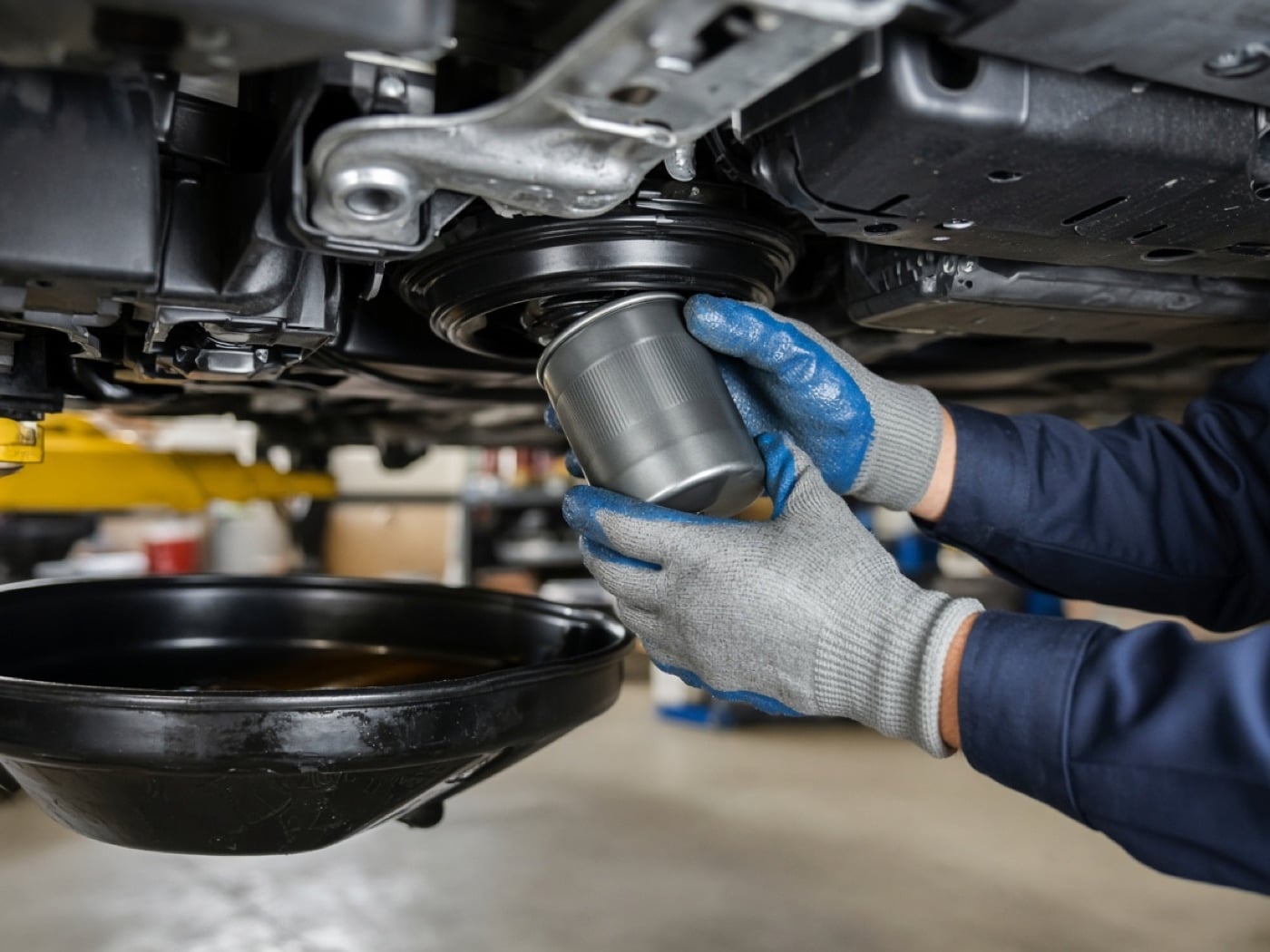
A proper conventional oil change is more than draining old oil into a pan. Technicians confirm the viscosity listed for your engine, install a quality filter, refill to the correct level, reset reminders when applicable, and check for obvious leaks before you leave. You usually stay in your car, and the visit is designed for busy schedules.
Conventional formulas lubricate well when they match the manufacturer’s guidance and when you keep intervals on schedule. The base oil and additive package still need to control heat, hold soot and contaminants in suspension, and protect metal surfaces during cold starts. Short trips, dusty roads, and hot North Texas summers stress any oil, so filter quality and a full refill matter as much as the brand name on the jug.
Think of conventional oil as the right tool when the engine was designed around it and your maintenance rhythm is steady. It is not a “lesser” service when it is on-spec. It is a matched product for a matched use case.
Conventional vs full synthetic
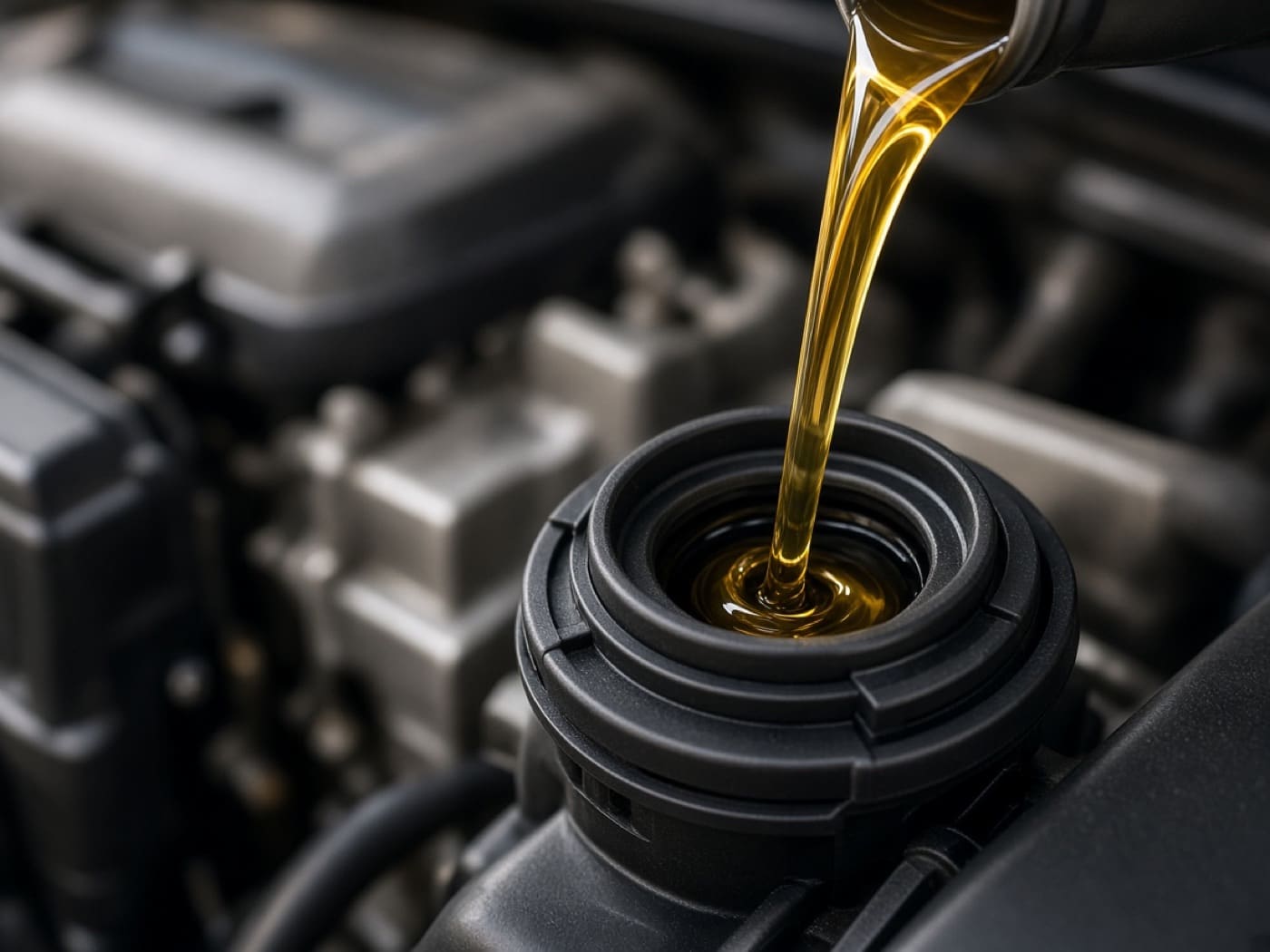
Full synthetic oil is engineered for stronger film strength, better resistance to breakdown, and more stable performance in extreme temperatures. Modern engines often run hotter with tighter tolerances, so a full synthetic oil change helps reduce wear during stop-and-go traffic and summer heat.
Conventional oil typically costs less at the counter. Full synthetic usually costs more but can support longer drain intervals when your manufacturer allows it and your driving conditions stay clean. The right choice is the one that matches the engine design and your maintenance habits, not the one with the loudest marketing claim.
Many drivers also ask about synthetic blend as a middle path. Blend formulas can balance protection and price for mixed commuting. We explain the tradeoffs in plain language so you can decide without pressure. If your manual allows more than one chemistry, we will show you what changes in protection and interval—not just what changes on the invoice.
When comparing oil types, always start with the viscosity grade listed in your owner’s manual, such as 0W-20 or 5W-30. The grade and the oil chemistry work together. Using the correct grade with a quality conventional or synthetic product is more important than chasing trends. Our team can verify the right specification for your make and model.

When a conventional oil change still makes sense
Conventional oil is often a good fit when:
- Your owner’s manual specifies a conventional or standard mineral oil grade
- The vehicle is older, non-turbo, and has been maintained on conventional oil without issues
- You follow regular intervals and do not regularly tow heavy loads
- You want solid protection at a lower service price while staying on-spec
Even then, viscosity and filter quality come first. Using the wrong weight is worse than choosing between two on-spec chemistries. Our team verifies the grade for your make and model before anything goes in the crankcase.
Some high-mileage vehicles also continue on conventional oil successfully when seals are healthy and the engine does not burn or leak excessively. Others benefit from a high-mileage formula designed for aging engines. We look at oil color, level history, and manufacturer notes instead of forcing one product onto every odometer reading.
When synthetic is usually the better fit
Full synthetic tends to be the smarter recommendation when you take many short trips that never fully warm the engine, drive in extreme heat, tow or haul, own a turbocharged or newer high-compression engine, or want the widest margin of protection between visits. Synthetic chemistry generally handles oxidation and viscosity breakdown more patiently under those loads.
Learn more about intervals and timing in our guides on how often to change oil and signs you need an oil change. Those articles pair well with this comparison when you are deciding whether to stay conventional or move up.
Intervals, climate, and driving habits
Oil life is not only about miles on a sticker. Local driving around the I-30 corridor mixes short trips, highway miles, and seasonal weather swings. Engines that mostly make five-minute hops may not burn off moisture as effectively, which is hard on any oil film. Highway commuters may go longer between chemical stress events but still need filter changes on schedule.
Summer heat raises under-hood temperatures. Winter cold starts thicken oil until the engine warms. Conventional oil can handle normal conditions when intervals are honest. Severe service—towing, dusty roads, extreme temperatures, or lots of idling—usually means shorter intervals or a move to synthetic. We would rather see you a little early than explain avoidable engine wear later.
After your oil change, keep a simple record of the date, mileage, and product used. That habit makes future visits faster and helps you stay ahead of intervals. Combined with routine inspections, it forms a maintenance rhythm that protects engines for the long haul. Browse the full oil change menu if you want to compare conventional, blend, full synthetic, high-mileage, and diesel options in one place.
What to expect at Valvoline Express Care Fate
During your visit we confirm the correct viscosity, install a quality filter, and perform a quick multi-point check. Most oil changes are completed in a typical short stay-in-your-car visit. We explain conventional, blend, and full synthetic options clearly so you can choose with confidence.
Watch for dashboard oil-life alerts, dark or gritty oil on the dipstick, unusual cold-start noise, or mileage past your maintenance schedule. Waiting too long can accelerate wear on bearings, camshafts, and turbochargers.
Communication is part of quality care. Before any additional service begins, you should understand what was found, why it matters, and what happens if you wait. That conversation protects your budget and builds trust. Technicians at Valvoline Express Care Fate are trained to explain findings in everyday language so you never feel lost in automotive jargon.
Convenience also matters. Stay-in-your-car service, drive-in availability, and efficient processes help busy households keep maintenance current. When service is easy to complete, it is less likely to be postponed. Over time, that consistency prevents many expensive failures.
FAQs about conventional oil changes
Is conventional oil bad for modern cars?
Not automatically. If the manufacturer specifies conventional oil and you follow intervals, it can protect the engine as designed. Many newer vehicles call for synthetic; we follow the manual first.
Can I switch from conventional to synthetic later?
In most cases yes. Switching to a quality full synthetic that meets the required specification is common. Tell us what you have been using so we can recommend the right next step.
How long does a conventional oil change take?
Most visits are short stay-in-your-car services. Exact timing depends on vehicle access, filter location, and whether other quick checks are needed. See also how long an oil change takes.
Do I need an appointment?
No appointment is required for most oil changes. Drive in during business hours, or call (469) 972-6963 if you have a question before you visit.
Will conventional oil void my warranty?
Using the oil type and specification required in your owner’s manual protects warranty compliance. If the manual requires synthetic, we will say so. If conventional is allowed, a correct conventional oil change keeps you on-spec.
Ready for your next oil change?
Whether you need a conventional oil change or want help comparing synthetic options, Valvoline Express Care Fate is here to keep maintenance honest and efficient. Stop by during business hours or call (469) 972-6963—we will look up manufacturer guidance, consider your mileage and driving habits, and recommend the oil that fits.
Conventional oil change checklist at Valvoline Express Care Fate
If you are comparing a conventional oil change with synthetic options, bring these details to the visit so the recommendation stays accurate for your vehicle:
- Owner’s manual viscosity and oil type (or a photo of the oil-cap sticker)
- Approximate mileage and months since the last service
- Driving pattern: short trips, highway commuting, towing, or idle-heavy days
- Any dashboard oil-life messages or recent leaks
At Valvoline Express Care Fate, the team can walk through conventional, synthetic blend, and full synthetic choices without pushy upsells. Stay in your car for a convenient service when the bay allows, and ask for a multipoint look at filters, fluids, and wipers while the oil drains. Learn more on our conventional oil change service page, or compare high-mileage and diesel options if those fit your vehicle.
Ready to schedule? Call (469) 972-6963 or visit our contact page. We serve Fate and nearby drivers looking for a straightforward conventional oil change with clear explanations.