If you are asking how long does an oil change take, you are usually trying to fit service into a busy day—not looking for a lecture about motor oil chemistry. At Valvoline Express Care Fate, a standard oil change for most passenger cars and light trucks often fits in about the time of a short break: many straightforward visits finish in roughly the 15–30 minute range when you stay in your car and the bay is ready for you.
That window assumes a normal drain-and-fill with a new filter, fluid top-offs as needed, and a quick multi-point look at key wear items. Hard-to-reach filters, added services, or a short wait for the next open bay can push the total longer. Below is what usually happens during the visit, what slows things down, and how to keep your stop efficient.
Table of contents
- Typical oil change timeline
- What happens during a standard visit
- Factors that can add time
- Texas heat, driving style, and oil intervals
- Stay-in-your-car service vs waiting rooms
- How to prepare so your visit stays fast
- Oil change plus other maintenance
- Frequently asked questions
- Ready when you are
Typical oil change timeline
Here is a realistic breakdown for a standard oil change at Valvoline Express Care Fate:
- Pull in and check-in: a few minutes to confirm your vehicle, preferred oil type, and any concerns you want us to look at.
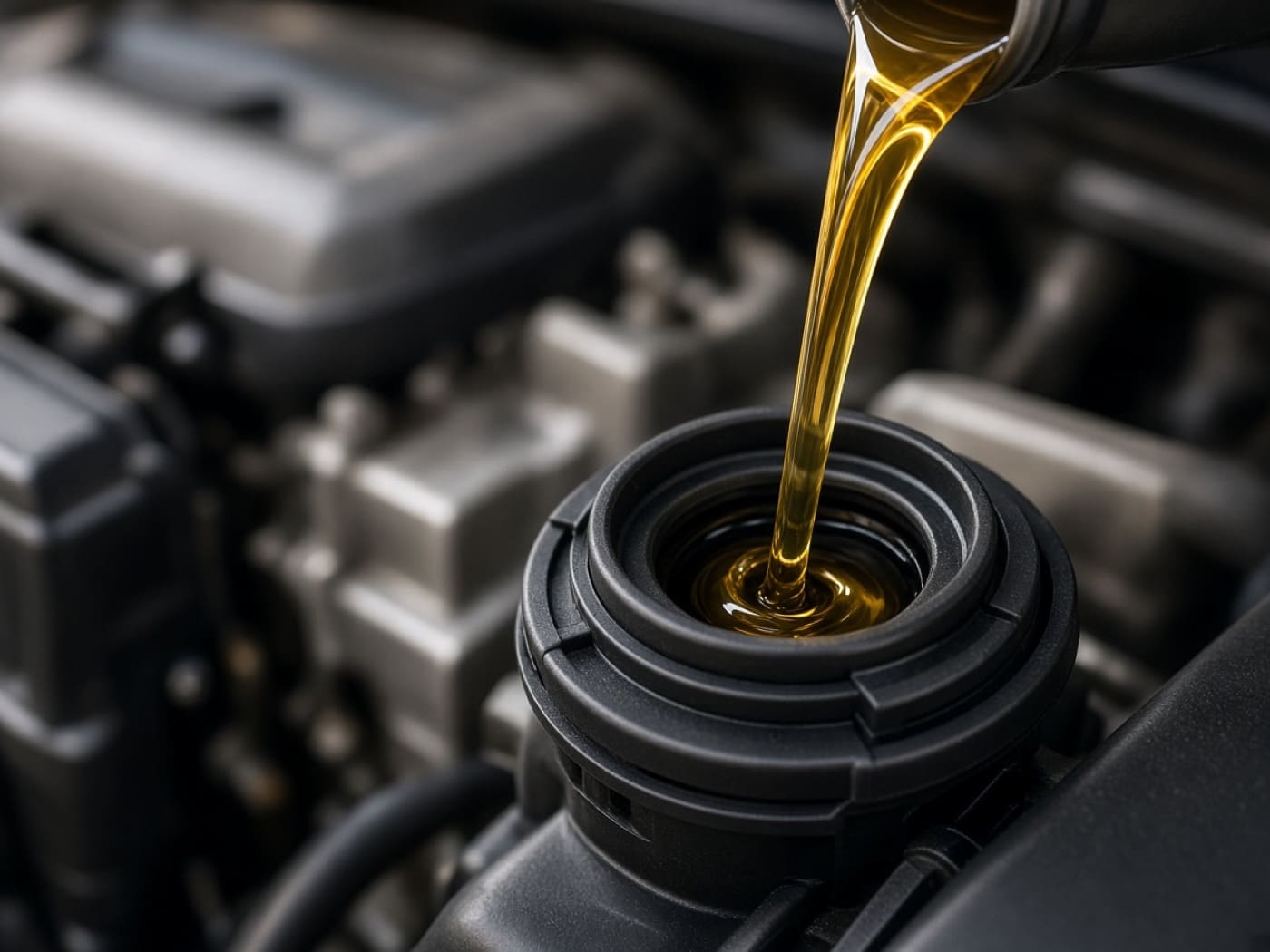
- Service in the bay: drain, filter replacement, refill to the correct viscosity, and a visual multi-point check—often the longest part of a routine visit.
- Review and checkout: a short walkthrough of findings and questions before you head back out.
Express Care–style service is built for focused oil changes, not full-day shop jobs. If you need brakes, diagnostics, or other mechanical work, tell us at check-in so we can set expectations before we start.
For oil type options—full synthetic, synthetic blend, conventional, high-mileage, or diesel—see our oil change services. Choosing the right oil for your engine matters more than racing the clock.
What happens during a standard visit
A quality oil change is more than emptying a pan. Our process is built to move efficiently without skipping the steps that protect your engine:
- Confirm the correct oil grade. We match viscosity and oil category to your manufacturer guidance and how you drive—short trips, highway miles, towing, or hot-weather commuting.
- Drain the used oil. Old oil carries heat, metal particles, and contaminants. Leaving it in longer than recommended increases wear risk.
- Replace the oil filter. A fresh filter traps debris that would otherwise circulate through the engine.
- Refill and verify level. Underfilling and overfilling both cause problems; we aim for the correct operating level.
- Top off essential fluids when appropriate. Washer fluid and other top-offs are often handled while you wait.
- Multi-point look at wear items. Belts, hoses, tires, and visible leaks get a quick review so you hear about issues early. Learn more in our multi-point vehicle inspection guide.
If something needs attention beyond today’s oil change, we explain it in plain language so you can decide what to do now and what can wait.
Factors that can add time
These situations can stretch a routine visit beyond a quick turnaround:
- Hard-to-access filters or underbody panels. Some vehicles require extra steps to reach the filter or drain plug safely.
- Oil type decisions mid-visit. If you are unsure between synthetic and conventional, a short conversation helps—but it adds a couple of minutes. Our comparison of full synthetic vs conventional oil can help you decide before you arrive.
- Adding services. Cabin or engine air filters, wiper blades, battery testing, or fluid exchanges take additional time beyond a basic oil change.
- Busy peak hours. Lunch rushes and Saturday mornings may mean a short wait before your vehicle enters a bay—even when the service itself is still quick.
- Unusual findings. A low tire, a worn belt, or a leak may deserve a closer look before you leave.
Texas heat, driving style, and oil intervals
Hot summers and stop-and-go driving near the I-30 corridor can be tough on motor oil, but they do not automatically mean you need shorter change intervals—and they do not change how long a standard oil change takes in the bay.
Your vehicle manufacturer’s maintenance schedule (and the oil grade it specifies) should remain the primary guide for when to service. Severe-service notes in the owner’s manual—short trips, towing, dusty conditions, or extreme temperatures—matter more than generic climate advice. If you are unsure which schedule applies, ask at check-in and we will help you read the recommendations for your vehicle.
Stay-in-your-car service vs waiting rooms
One reason Express Care visits feel efficient is the stay-in-your-car model. You pull in, stay comfortable, and avoid the full drop-off and pickup loop that many traditional shops use. There is no need to arrange a ride for a standard oil change in most cases.
Waiting-room shops can still be efficient, but the total trip often includes parking, counter check-in, waiting for a tech, then waiting again at checkout. Drive-in service collapses those steps into one continuous visit—so the whole stop often feels shorter even when the mechanical work is similar.
No appointment is required for routine oil changes at Valvoline Express Care Fate. Drive in when it works for your schedule. If you prefer to call ahead with questions about oil type or fleet vehicles, reach us at (469) 972-6963.
How to prepare so your visit stays fast
A little prep keeps your stop as efficient as possible:
- Know your preferred oil (or tell us you want the manufacturer-recommended grade).
- Note any dashboard lights, noises, or recent leaks so we can prioritize what to check.
- Bring your mileage if your trip computer is hard to read—helpful for interval conversations.
- Mention fleet or diesel needs early so we route you to the right service path. See fleet services if you manage multiple vehicles.
- Avoid stacking major repairs on the same visit unless you have time. Oil changes are designed to be quick; diagnostics are not.
If you are due for preventive items like tire rotation or filter replacements, ask what can be done while you wait versus what needs a longer bay slot. Our guide on why preventive maintenance matters explains how small services protect bigger components.
Oil change plus other maintenance
Pairing services is convenient, but it changes the timeline. Approximate add-ons while you wait (when parts and bay time allow):
- Wiper blades: usually a few extra minutes.
- Cabin or engine air filter: often a short add-on, vehicle-dependent.
- Battery test: quick check; replacement takes longer if the battery needs to come out.
- Tire rotation: longer than a basic oil change; ask for a combined time estimate.
- Fluid exchanges (coolant, transmission): plan for more than a quick oil stop.
Our team will tell you honestly whether something fits a while-you-wait window. Rushing complex work is not a win if it means skipping steps.

Frequently asked questions
How long does an oil change take at Valvoline Express Care Fate?
A standard oil change often falls in the roughly 15–30 minute range when you stay in your car and the visit is a straightforward drain-and-fill. Extra services, vehicle access issues, or a wait for the next open bay can add time.
Do I need an appointment?
No appointment is required for routine oil changes. Drive in during business hours. Call (469) 972-6963 if you want to ask about oil type, diesel service, or fleet timing first.
Can I wait in my car the whole time?
Yes. Stay-in-your-car service is part of the Express Care experience for standard oil changes and many quick maintenance items.
Will adding a filter or wipers keep me under 30 minutes?
Often yes, depending on the vehicle and current wait. Ask at check-in for a combined estimate so you are not surprised.
Is a faster oil change a lower-quality oil change?
Not when the process still includes the correct oil, a new filter, proper fill level, and a visual multi-point check. Speed comes from a focused workflow—not from skipping protection steps.
What if my check engine light is on?
Tell us at check-in. An oil change can still proceed in many cases, but diagnostic time is separate. We will help you understand whether the light relates to oil, emissions sensors, or something that needs a deeper scan.
For broader vehicle-care guidance from a federal safety agency, see the NHTSA vehicle maintenance and repair resources.
Ready when you are
The practical answer to how long does an oil change take: plan on a short stay for a standard visit at Valvoline Express Care Fate, and allow a bit more time when you add common extras or arrive during a busy window. Pull in when it fits your day, stay in your car, and we will get you back on the road with fresh oil and clear recommendations.
Questions before you stop by? Call (469) 972-6963 or visit our contact page. Serving drivers from Fate and nearby communities along I-30.